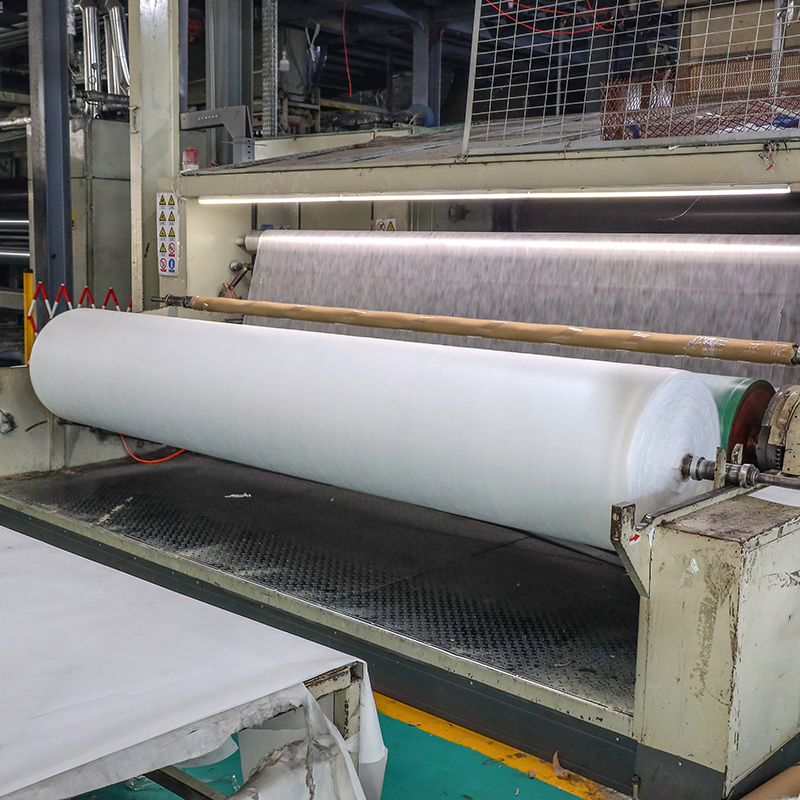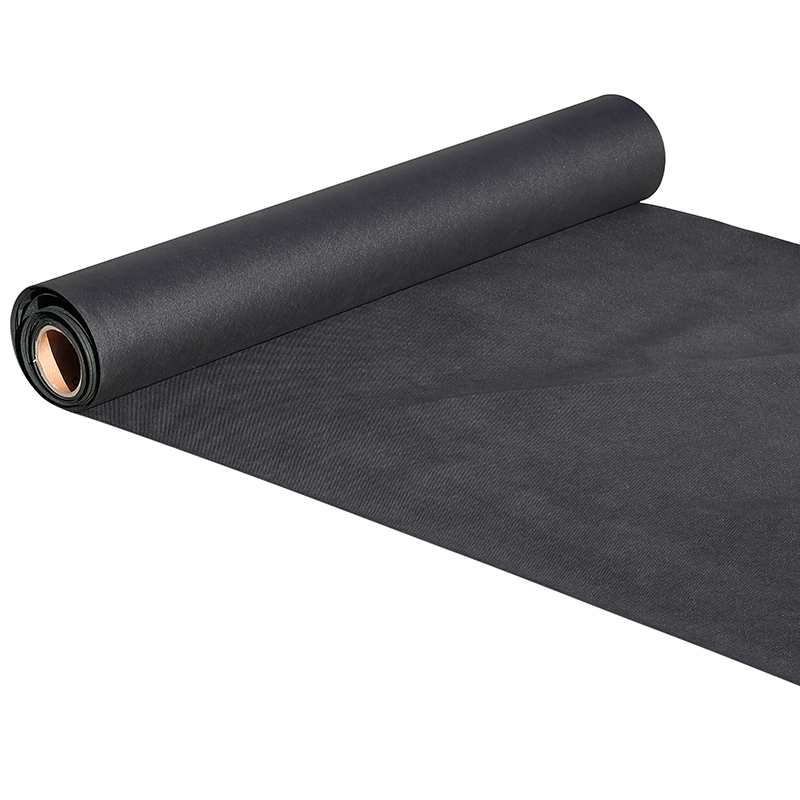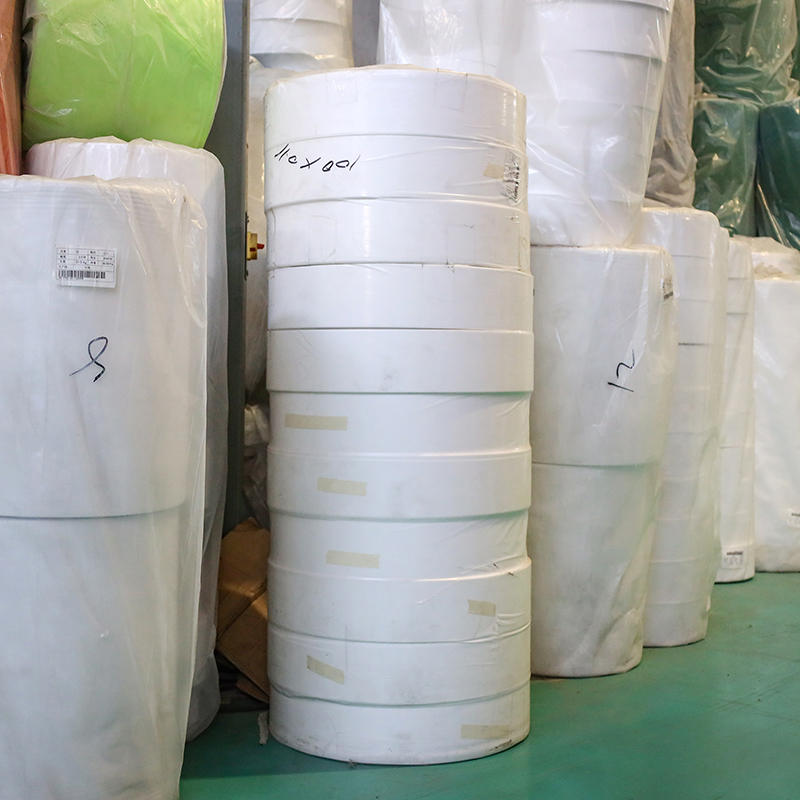
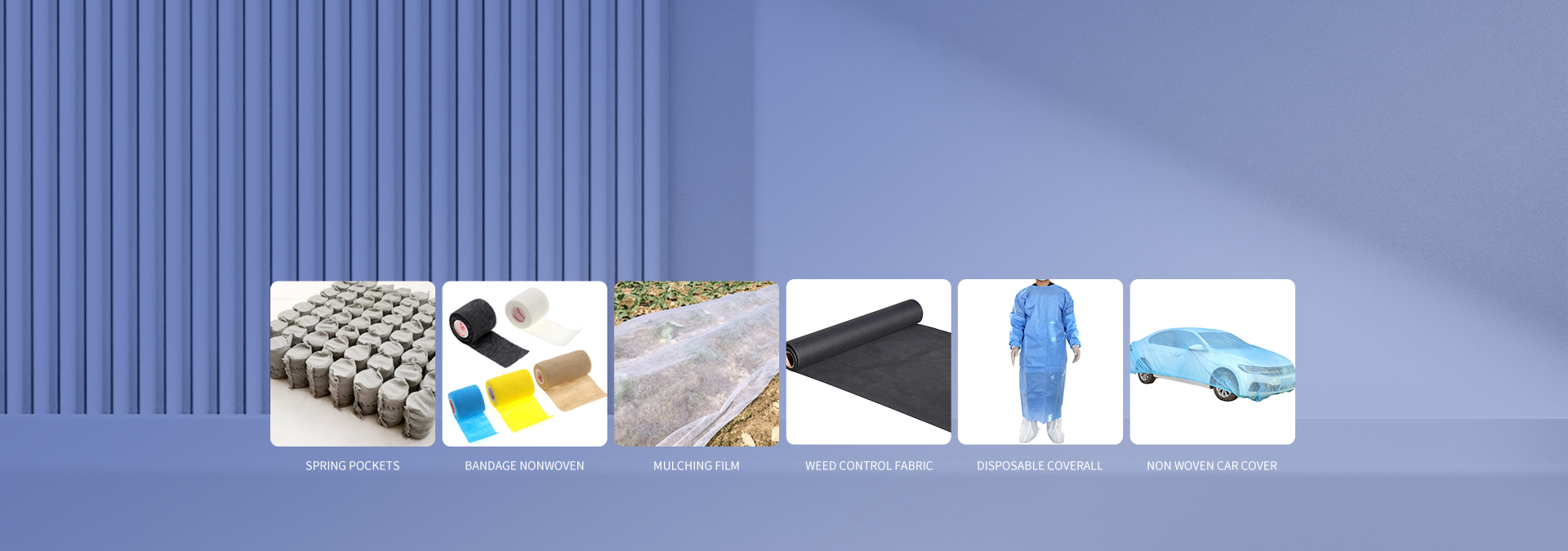
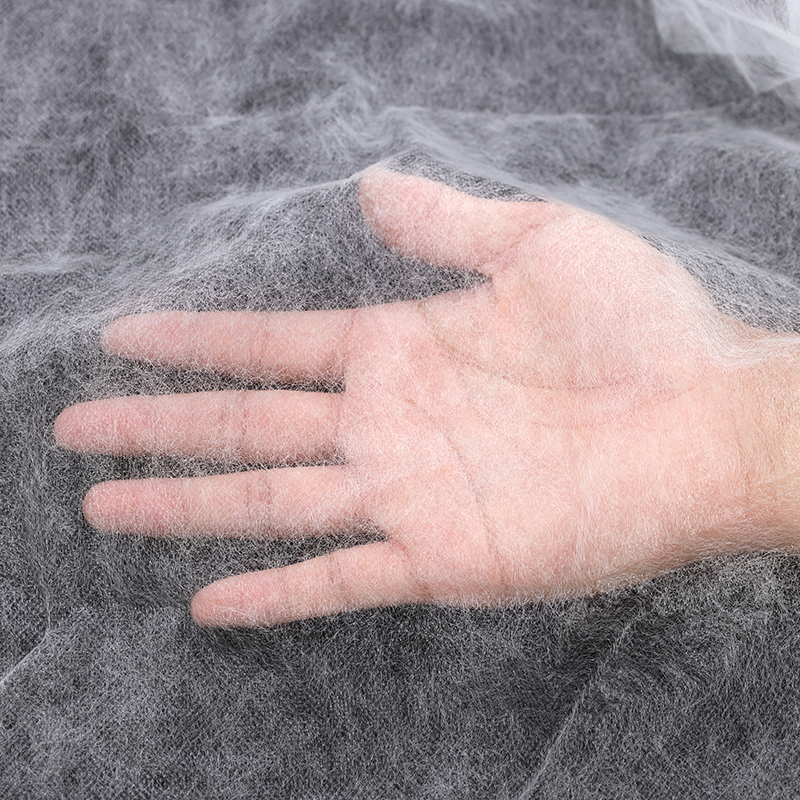
In modern materials science, non-woven fabric is hailed as a "miracle of the textile industry". Unlike traditional textiles that require spinning and weaving, it is produced by arranging fibers in an oriented or random manner and consolidating them through mechanical, thermal bonding, or chemical processes. Boasting high production efficiency, low cost, wide applicability, and strong customizability, non-woven fabric has penetrated every aspect of human life and earned its reputation as a truly "all-purpose material".
I. Medical & Healthcare: The First Line of Defense for Health
The healthcare sector represents the most mature and demanding application area for non-woven fabrics. Featuring excellent barrier properties, air permeability, and disposability for hygiene purposes, non-woven fabric has become the material of choice for medical protection.
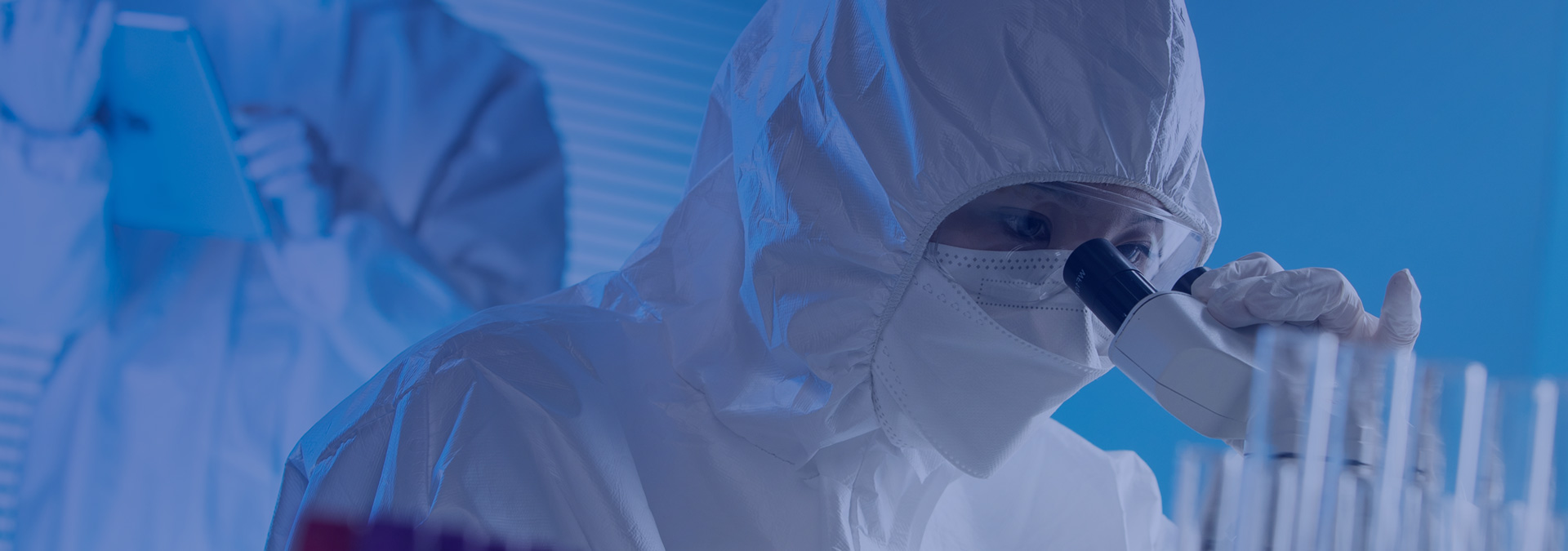
Protective Equipment: The core filter layer (melt-blown fabric) of medical masks, protective suits, surgical gowns, caps, and shoe covers are mostly made of non-woven fabric, effectively blocking the spread of bacteria and viruses.
Care Supplies: Surgical drapes, sterilization wraps, and adhesive bandage backings ensure an aseptic medical environment.
Personal Hygiene: Absorbent and surface layers of baby diapers, adult incontinence pads, and feminine hygiene products widely use skin-friendly non-woven fabric, delivering a dry and comfortable experience.
II. Household & Daily Consumer Goods: The Unsung Hero of Convenient Living
In daily life, non-woven fabric, with its lightweight, durable, and biodegradable properties, is gradually replacing traditional textiles and plastic products.
Cleaning Products: Wet wipes, dual-use dry/wet cleaning cloths, cotton pads, and disposable face towels are widely popular for their lint-free and highly absorbent characteristics.
Shopping & Packaging: Eco-friendly non-woven shopping bags are one of the best-known applications. Stronger, more durable, and reusable than plastic bags, they serve as a key alternative in enforcing the "plastic restriction order".
Home Decoration: Wall coverings, curtain linings, tablecloths, and furniture dust covers leverage the colorful and processable nature of non-woven fabric to enhance interior aesthetics.
III. Agriculture & Horticulture: The Invisible Guardian of Harvests
In modern agriculture, non-woven fabric plays a critical role in heat preservation, moisture retention, pest control, and weed suppression.
Crop Protection: Agricultural covering cloth (frost cloth) regulates microclimates, protects seedlings from frost damage, blocks pests, and reduces pesticide usage.
Seedling Rearing & Insulation**: Used as seedling base cloth and plant cold-proof wrapping, it improves seed germination rate and crop survival rate.
Lawn Construction: In landscaping, non-woven fabric is often applied in lawn seed strips and soil stabilization to prevent water and soil erosion.
IV. Industry & Construction: Durable Engineering Material
High-strength, corrosion-resistant industrial non-woven fabrics are indispensable in heavy industry and construction.
Filter Materials: Dust filter bags for cement and steel plants, as well as liquid filter cartridges, efficiently separate dust and impurities.
Geotextile Building Materials: Geotextiles are widely used in the construction of highways, railways, and dams for reinforcement, isolation, drainage, and seepage prevention, greatly extending the service life of projects.
Automotive Interiors: Lightweight non-woven fabrics are extensively used in car ceilings, carpets, sound insulation, and thermal insulation pads, contributing to energy conservation and emission reduction in automobiles.
Conclusion
From the medical frontlines safeguarding lives to the household corners embellishing daily life; from farmlands ensuring food security to infrastructure sites supporting major projects, non-woven fabric is everywhere. With the integration of new technologies such as nanotechnology and biodegradable materials, future non-woven fabrics will be even more eco-friendly, intelligent, and multifunctional. They will continue to play an irreplaceable role across industries, driving society toward greater efficiency and sustainability.