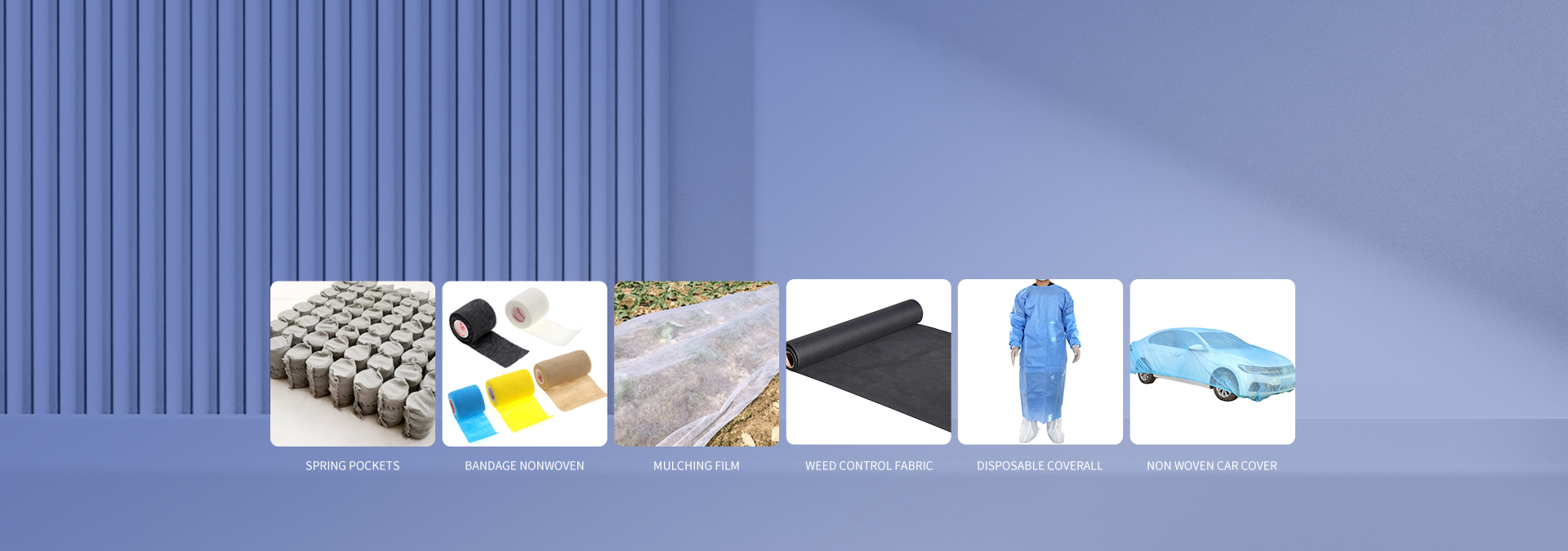
In our daily lives, we frequently come into contact with various non-woven fabric products, ranging from supermarket shopping bags and food delivery packaging to medical face masks and surgical gowns. Many people wonder: Can non-woven fabrics actually be reused? Are they really as "eco-friendly and durable" as commonly imagined? The truth is, there is no one-size-fits-all answer; it requires a specific analysis based on the type and intended use of the non-woven fabric.
1. Single-Use Applications: "Use and Discard" for Hygiene and Safety
In the medical, health, and certain industrial sectors, non-woven fabrics are strictly designed as single-use items. Common examples include the well-known medical surgical masks, hospital surgical gowns, protective isolation suits, and disposable facial mask sheets used in skincare.
The primary reason these non-woven products cannot be reused lies in their core functionality. Take face masks as an example: the middle melt-blown fabric layer carries an electrostatic charge, allowing it to efficiently absorb tiny particles and droplets. As wearing time increases, moisture from human breath, along with accumulated dust and bacteria, gradually dissipates this static charge, causing a significant drop in filtration and protective effectiveness. Furthermore, to prevent cross-infection and ensure health safety, non-woven products that come into contact with the human body or are used in sterile environments must be disposed of according to regulations after use and should never be washed or reused.
2. Durable Products: Reusable, but with a Usage Threshold
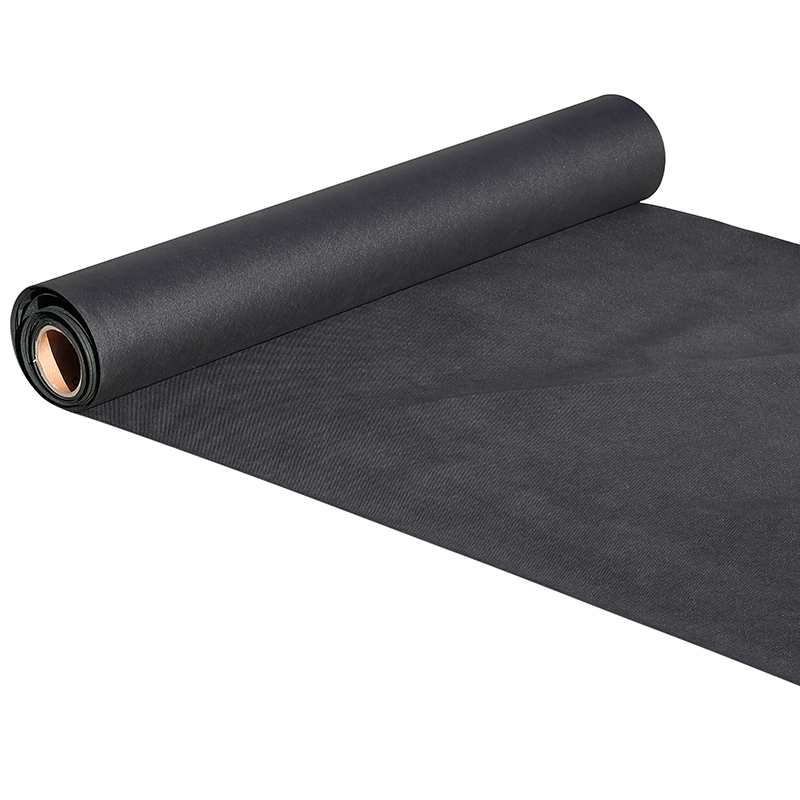
Beyond medical consumables, there are plenty of non-woven bags on the market used for packaging, storage, and shopping. These products are typically reinforced, possessing a certain degree of toughness and durability, making them suitable for reuse.
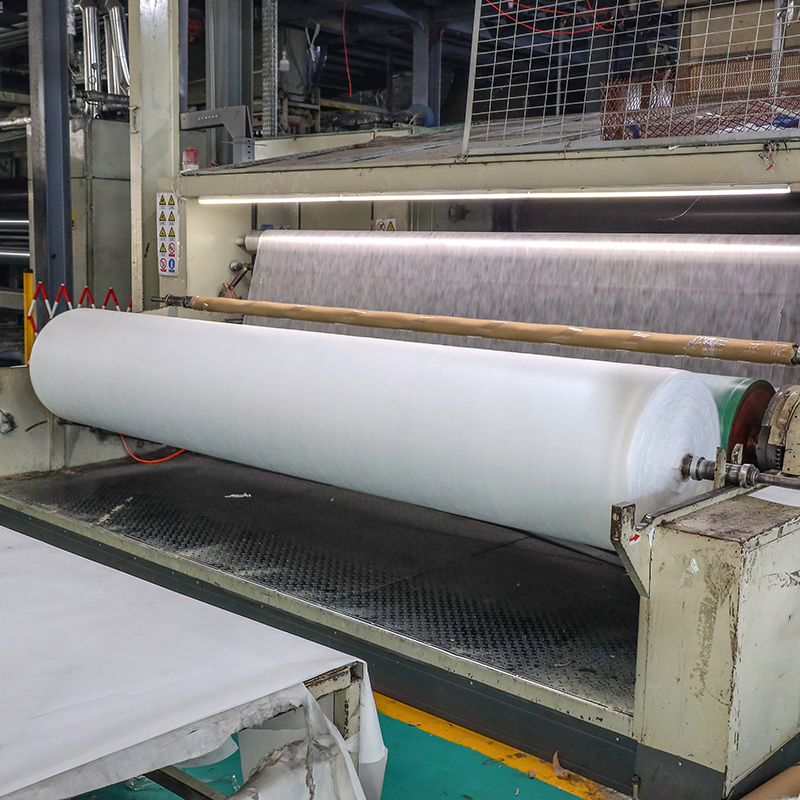
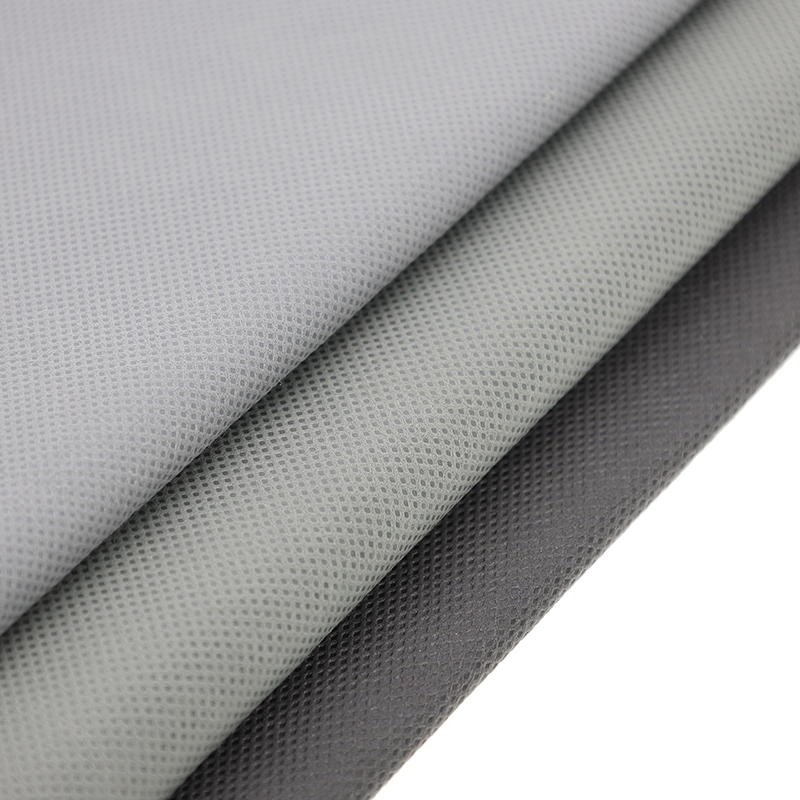
However, this "reuse" comes with prerequisites. Non-woven fabric is essentially made by bonding chemical fibers like polypropylene through processes like heat pressing, rather than being interwoven by yarns like traditional textiles. Therefore, its strength and durability are relatively limited, and it cannot be washed like ordinary clothing, as washing can easily damage the fiber structure. Relevant studies indicate that an ordinary non-woven shopping bag needs to be reused at least 10 times to offset the extra energy consumption and carbon emissions generated during its production compared to traditional plastic bags. Discarding it after only one or two uses would actually result in a greater waste of resources.
3. Recognizing the Material's Essence: Non-Woven Does Not Mean Absolutely Eco-Friendly
Many people mistakenly believe that non-woven bags, simply because they have the word "fabric" in their name, are absolutely eco-friendly and plastic-free. In reality, the vast majority of non-woven bags on the market are primarily made from polypropylene (a type of plastic polymer).
Although some non-woven fabrics may degrade more easily than traditional polyethylene plastic bags under specific conditions, they are still fundamentally plastic products. Hoarding or casually discarding them under the assumption that they are "eco-friendly" still places a burden on the environment. Currently, some cities in China have begun implementing policies to restrict the production and sale of ultra-thin non-woven bags, encouraging people to use genuine cotton or canvas shopping bags that can be washed and reused over the long term.
In conclusion, whether non-woven fabrics can be reused depends on the specific scenario. For medical protective non-woven items, strictly adhere to the single-use principle. For everyday shopping bags, we should aim to reuse them as many times as possible while ensuring hygiene, making the most of their utility to truly realize their environmental value.