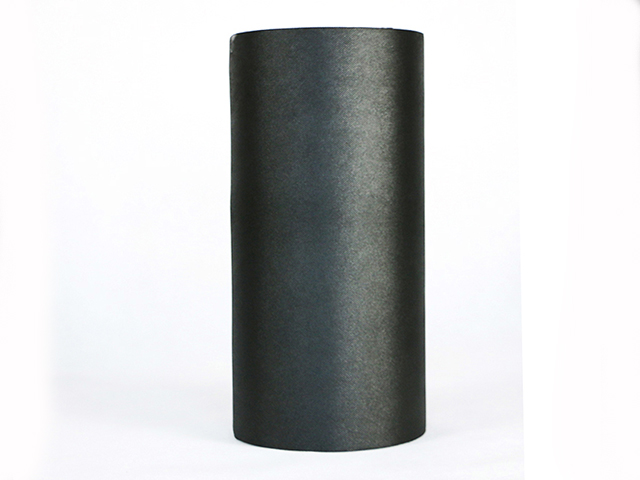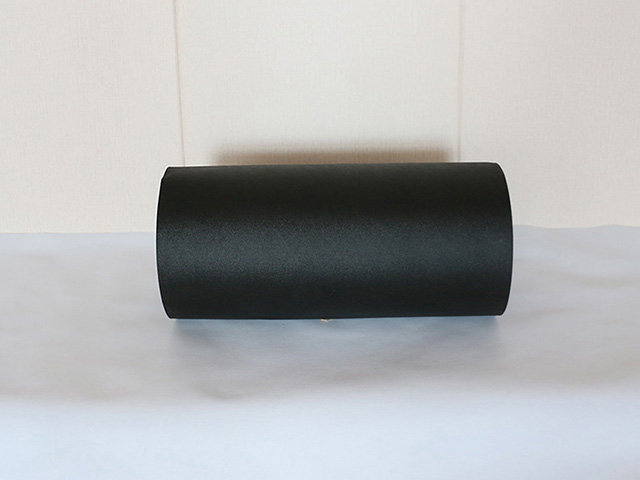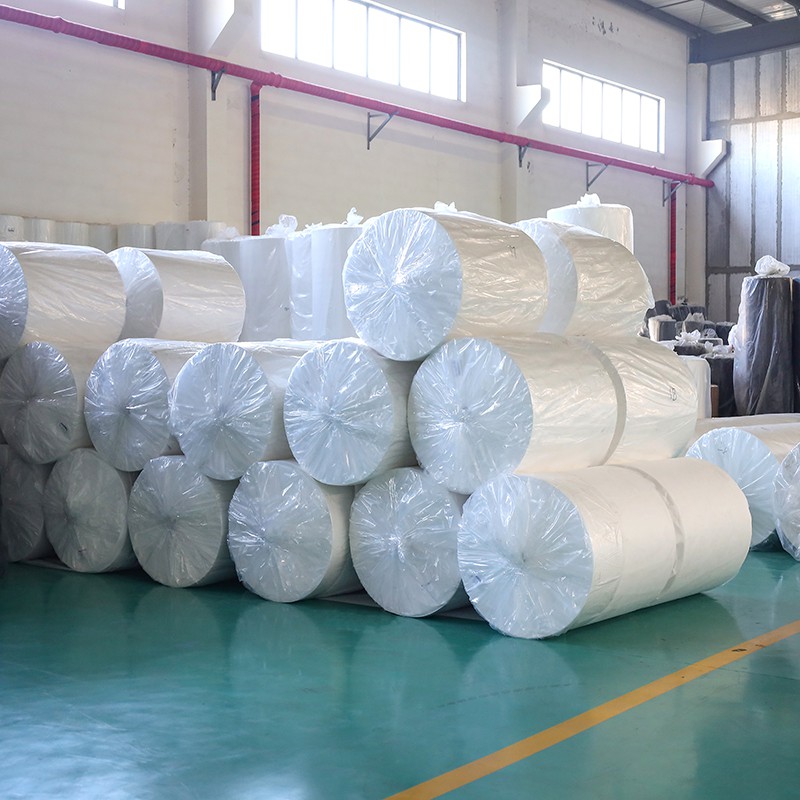
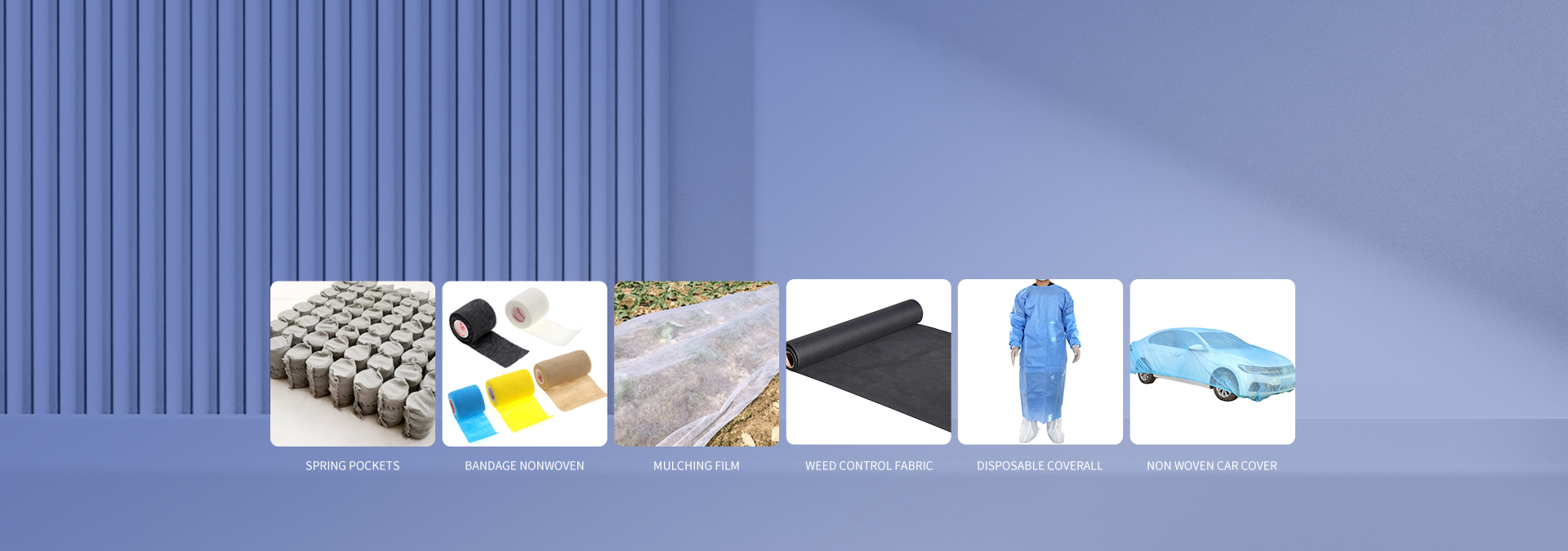
In our traditional understanding, "cloth" usually implies fabrics made of cotton, linen, or polyester, which require tedious processes like spinning and weaving, with warp and weft yarns interlaced together. However, the emergence of nonwoven fabrics (also known as non-woven textiles) has broken this convention. Instead of being woven from yarns, they are formed by directly bonding fibers through physical or chemical methods. In recent years, relying on their unique manufacturing advantages and high cost-effectiveness, nonwovens have gradually replaced traditional fabrics in various fields such as medical care, industry, packaging, and home use, becoming an indispensable new material in modern industry and daily life.
Disruptive Manufacturing Processes and Cost Advantages
The primary reason nonwoven fabrics can rapidly capture the market lies in their disruptive production process. Traditional textiles require multiple complex steps like spinning, weaving, and dyeing, which are both time-consuming and material-intensive. Nonwovens, on the other hand, directly use polymer chips or short fibers, forming a web through airflow or mechanical means, and then reinforcing them via spunlace, needle-punching, or thermal bonding to create the fabric in one go.
This streamlined process brings significant cost advantages. Compared to traditional woven fabrics, nonwovens boast higher production efficiency, with costs typically 30% to 50% lower. In scenarios requiring massive consumption but lower durability (such as disposable medical supplies or industrial wipes), this cost advantage gives them an extremely strong capacity to replace traditional materials.
The Absolute Mainstay in Medical Protection
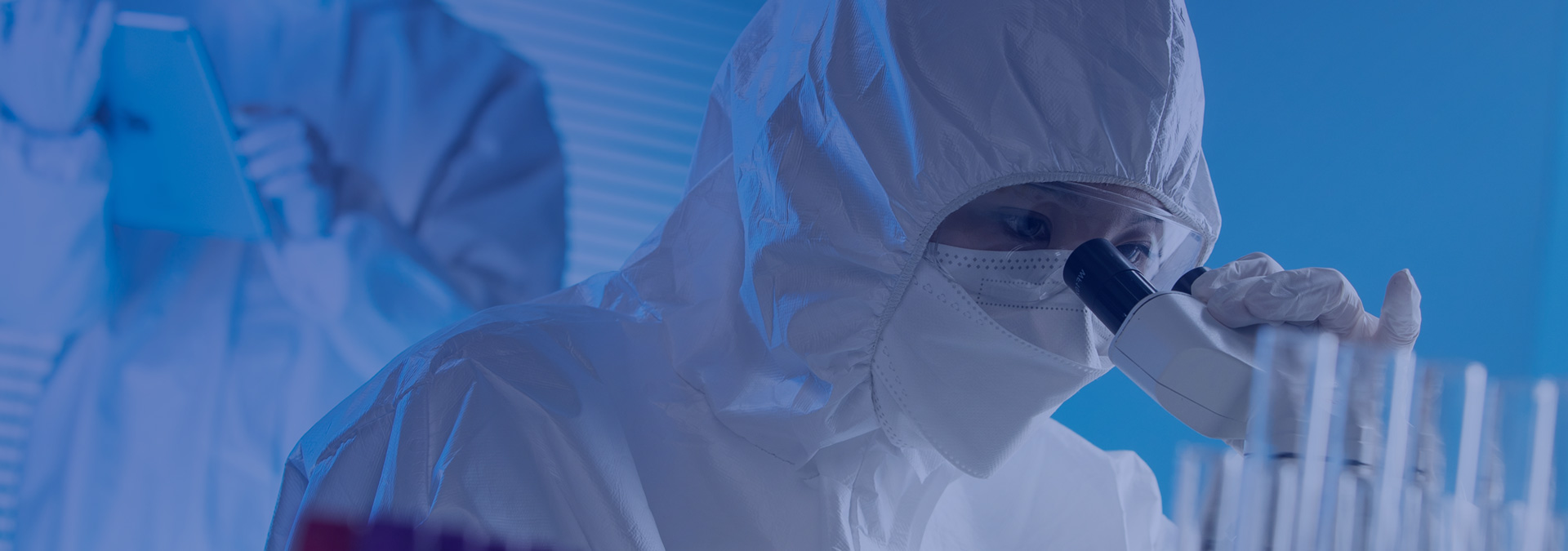
In the medical and health sector, the replacement of traditional fabrics by nonwovens is the most thorough. Traditional surgical gowns, masks, and protective clothing were mostly made of cotton fabrics. Although breathable, their barrier performance was poor, and the need for repeated washing and disinfection posed a risk of cross-infection.
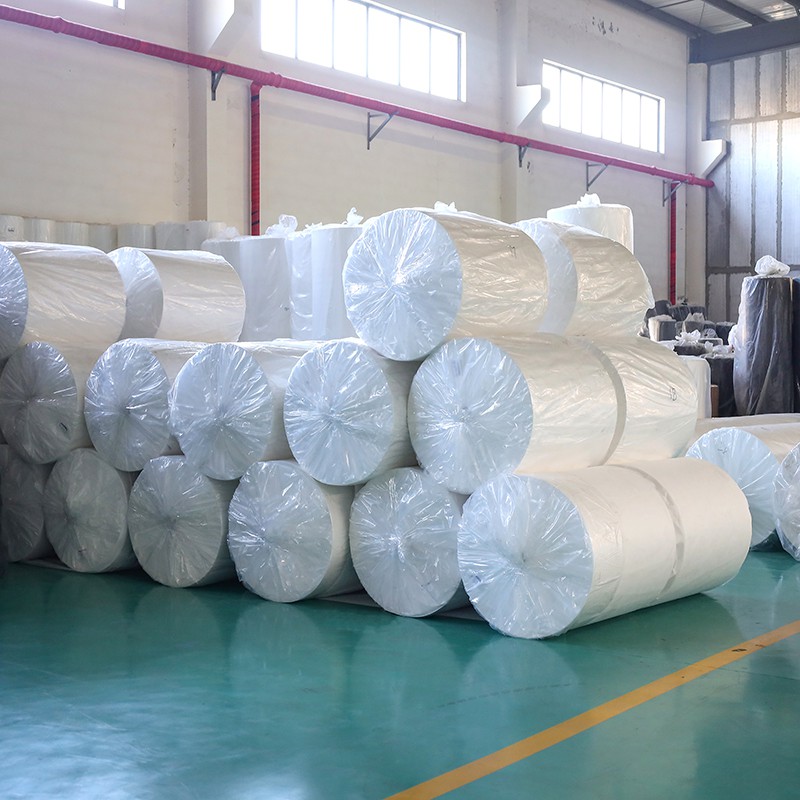
In contrast, nonwovens demonstrate advantages that traditional fabrics can hardly match:
Outstanding Barrier Properties: Meltblown nonwovens, in particular, have fiber diameters of only 1 to 5 microns, effectively filtering out bacteria and viruses. They are the core material for N95 masks and medical protective suits.
Safety of Single-Use: Most nonwoven products are designed for single use and disposal, completely eliminating the risk of hospital-acquired infections caused by inadequate cleaning and disinfection.
Balancing Comfort and Protection: Modern medical nonwovens not only possess good anti-static and antibacterial properties but also maintain excellent breathability while providing high-level protection, reducing the stuffiness medical staff feel during prolonged wear.
Performance Substitution in Industrial and Agricultural Applications
In industrial and agricultural fields, nonwovens have also replaced some traditional materials thanks to their special physical properties. For instance, in automotive interior manufacturing, needle-punched nonwovens are gradually replacing traditional heavy fabrics and soundproofing cotton due to their excellent sound insulation, shock absorption, and thermal insulation properties. This not only reduces vehicle weight but also enhances cabin quietness.
In agriculture, while traditional plastic mulch has good thermal insulation, it is difficult to degrade and easily causes "white pollution." Agricultural nonwovens made from polypropylene and other raw materials, however, offer breathability, light transmission, thermal insulation, and frost protection. Moreover, some biodegradable nonwovens can decompose naturally after the crop's growth cycle, solving the problem of traditional plastic film residue in the soil.
Environmental Misconceptions and Future Sustainable Development
It is worth mentioning that although nonwovens are often used as "eco-friendly bags," the vast majority of nonwovens on the market (like polypropylene) are essentially plastic products, making them quite difficult to degrade naturally. However, with technological advancements, biodegradable nonwovens made from bio-based materials like polylactic acid (PLA) are being gradually promoted, which will be an important direction for replacing traditional plastics and fabrics in the future.
All in all, nonwovens are not meant to completely replace traditional fabrics in fields like apparel and home textiles. Instead, they have perfectly replaced traditional materials in specific industrial, medical, and protective scenarios by virtue of their high efficiency, low cost, and multifunctionality. With the continuous progress of materials science, the application boundaries of nonwovens will be further expanded.