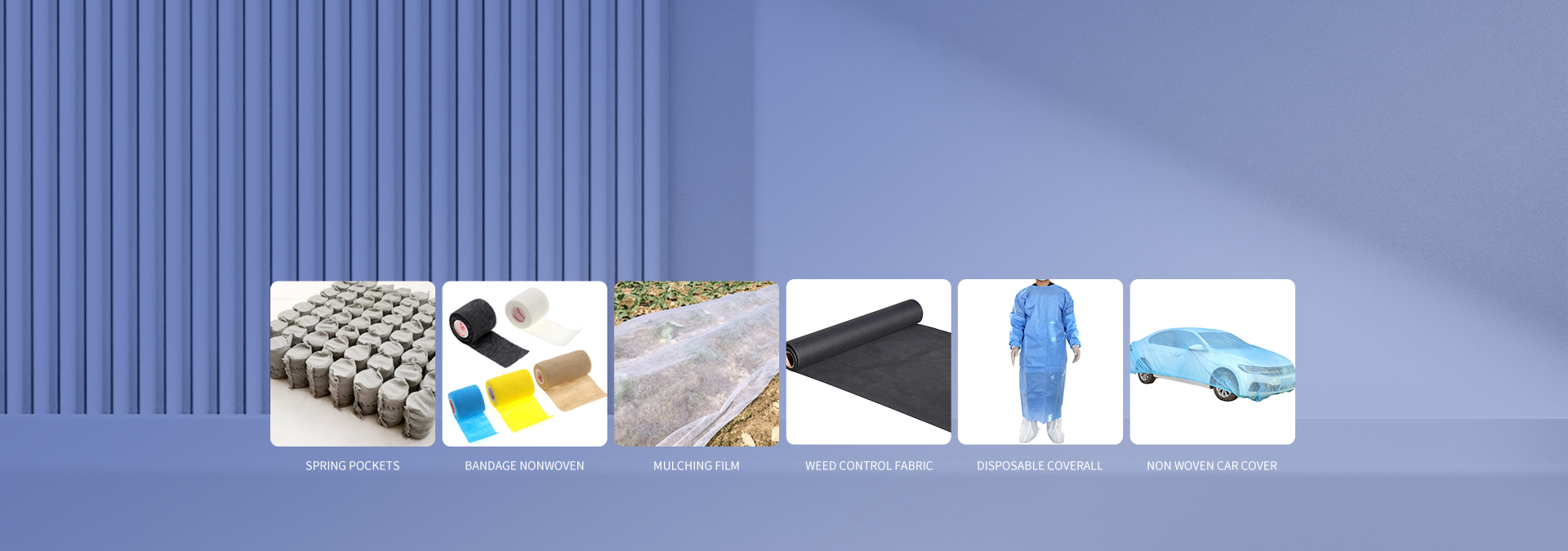

Nonwoven fabrics are widely used in medical protection, hygiene products, packaging, filtration, and industrial materials. Quality differences are mainly reflected in raw materials, grammage, mechanical properties, appearance uniformity, functional indicators, and safety performance.
Observe Appearance and Uniformity
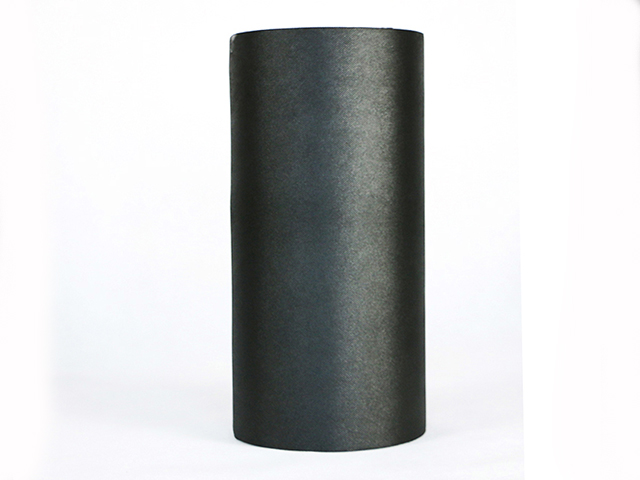
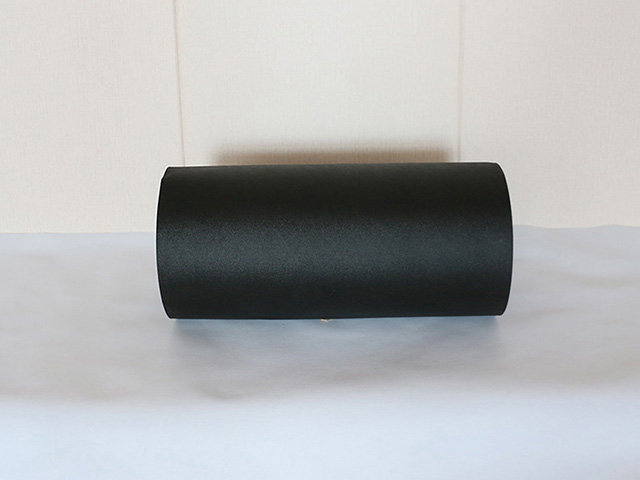
High-quality nonwoven fabric should have a smooth surface with uniform color, free from obvious color differences, cloud spots, holes, oil stains, hard lumps, stiff fibers, and impurities. When held against light, the fiber distribution should be relatively even, without local transparency or uneven thickness. The edges should be neat, without fraying, damage, or fold marks.
Verify Grammage and Thickness
Grammage refers to the mass per unit area, usually expressed in g/m², and is a fundamental indicator for determining nonwoven fabric usage. The grammage deviation within the same batch should be small, generally controlled within ±5%, and for products with higher requirements, within ±3%. Thickness should be measured under specified pressure and should match the grammage and manufacturing process. Higher grammage does not necessarily mean better performance; a reasonable range should be selected according to the intended use. For example, shopping bags commonly use 70–120 g/m², while soft towel base fabrics are mostly 45–65 g/m².
Test Tensile and Tear Performance
Tensile strength, elongation at break, and tear strength of nonwoven fabrics reflect their load-bearing capacity and durability. You can gently pull the sample to observe whether it deforms or breaks easily; quality products should have a certain degree of toughness and should not tear apart instantly when broken. For load-bearing packaging, geotextiles, or protective products, special attention should be paid to the test data of breaking strength and burst strength.
Assess Hand Feel and Linting
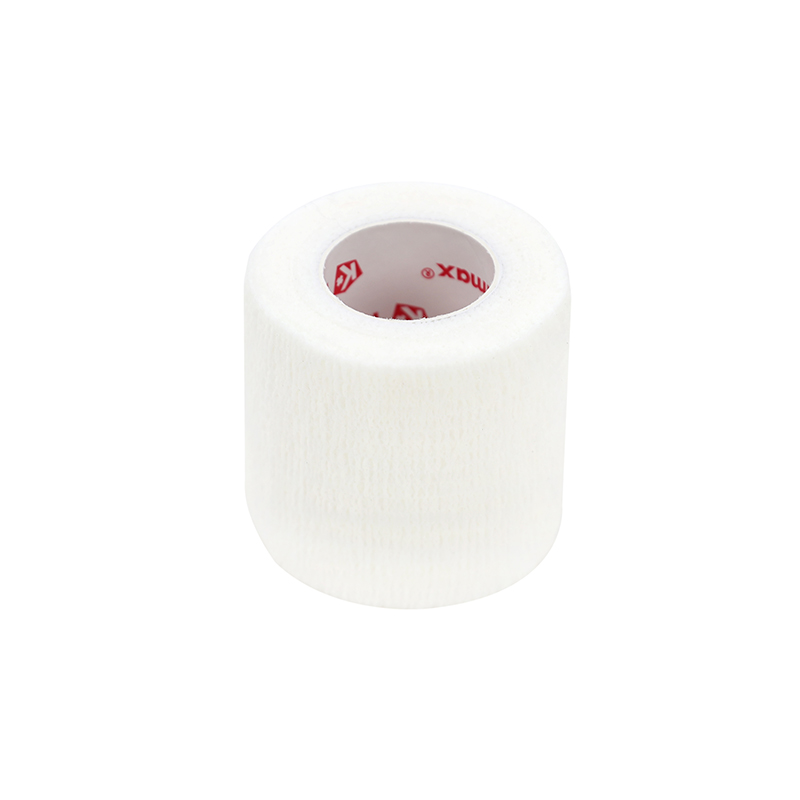
Nonwoven fabrics used in contact with skin should feel soft and delicate, without obvious roughness. After rubbing, there should be no significant linting, pilling, or powder generation. Excessive softness may indicate the addition of too much softening agent, which can affect subsequent processing stability, so products with moderate softness and uniform resilience should be selected.
Check Odor and Raw Material Purity
High-quality polypropylene nonwoven fabric usually has no pungent odor. If there is a strong plastic smell, acidic odor, or chemical odor, it may indicate the presence of recycled material or residual additives. A burn test can also serve as an auxiliary judgment: polypropylene nonwoven fabrics typically burn with a blue-yellow flame, emit a candle-like odor, melt and drip, and leave hard, brittle beads as ash.
Focus on Functional and Safety Indicators
Different applications require different functional indicators. Protective products should be evaluated for filtration efficiency, breathability, and liquid barrier performance; hygiene products should be assessed for absorption speed, moisture permeability, and microbiological indicators; industrial products should be evaluated for abrasion resistance, anti-aging properties, and dimensional stability. Products intended for human contact should also be tested for pH value, formaldehyde, fluorescent whitening agents, and heavy metal residues.
Verify Test Reports and Batch Consistency
During procurement or acceptance, third-party test reports should be requested to confirm that grammage, strength, breathability, microbiological, and chemical safety indicators meet the relevant standards. At the same time, batch consistency should be monitored to avoid significant variations in color, hand feel, and performance across different batches.
Summary
In general, identifying high-quality nonwoven fabric requires a comprehensive assessment of appearance, grammage, mechanical properties, hand feel, odor, functional indicators, and test reports. Clarifying the intended use and comparing it against the corresponding standards will enable a more accurate evaluation of product suitability.